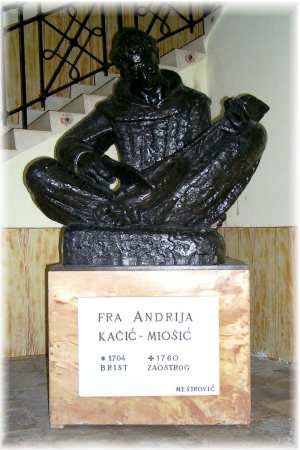
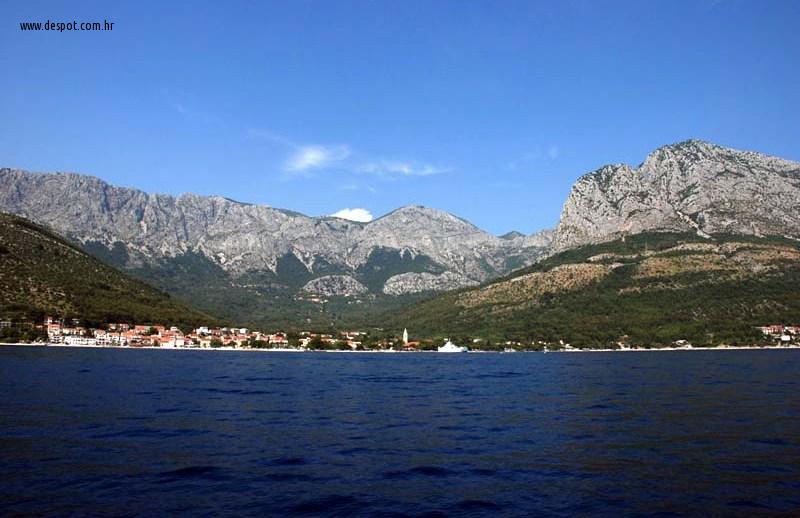
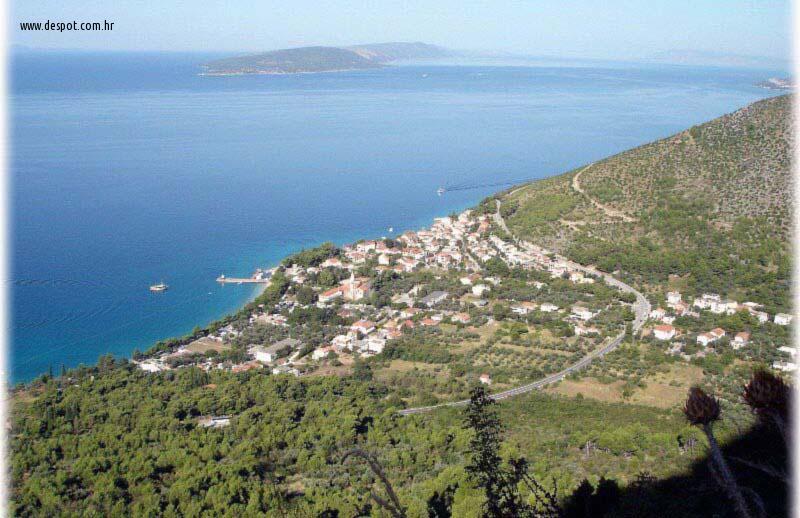
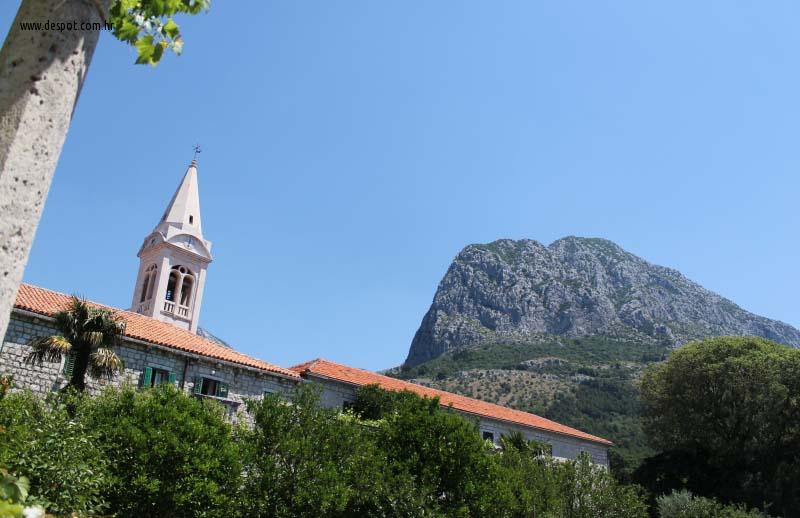
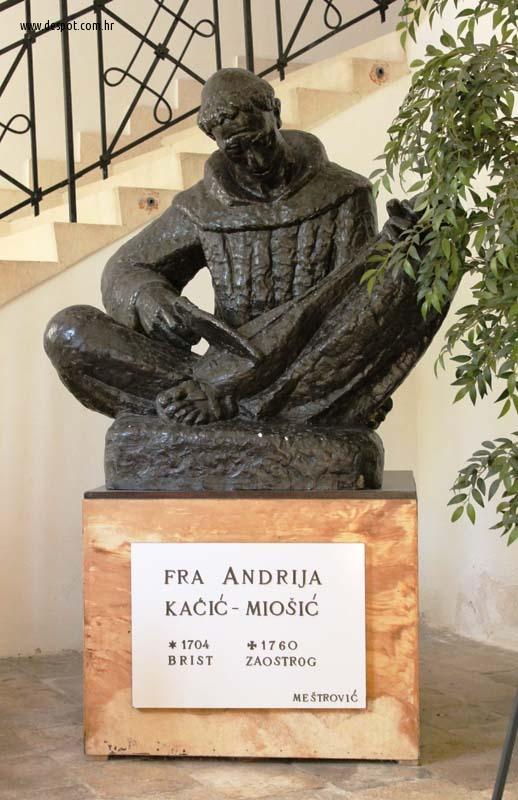
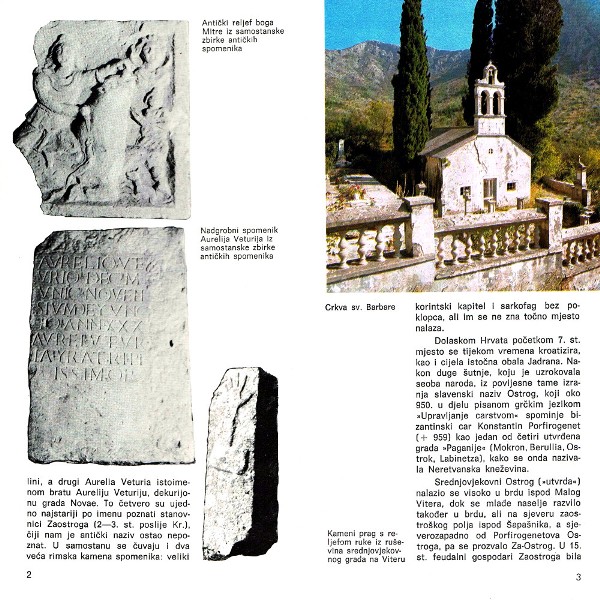
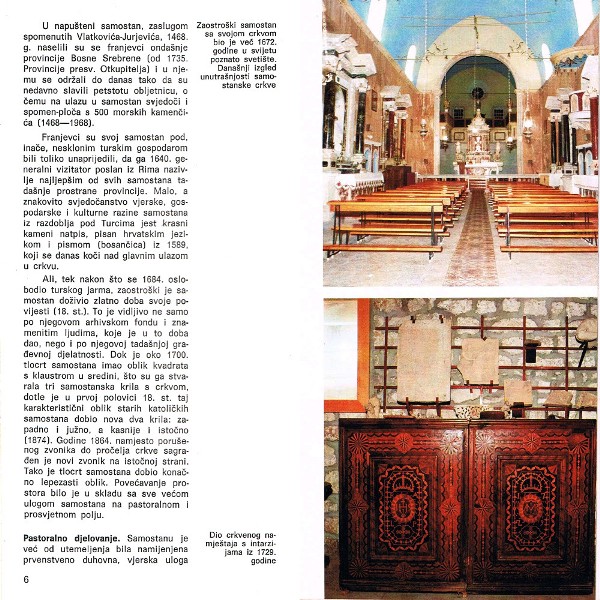
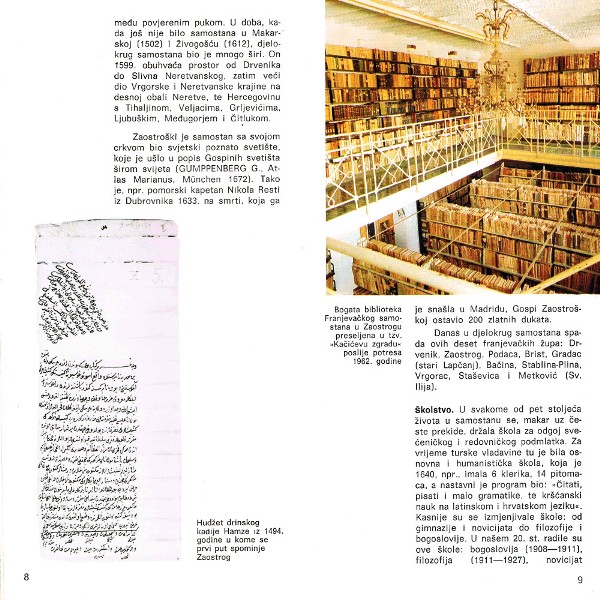
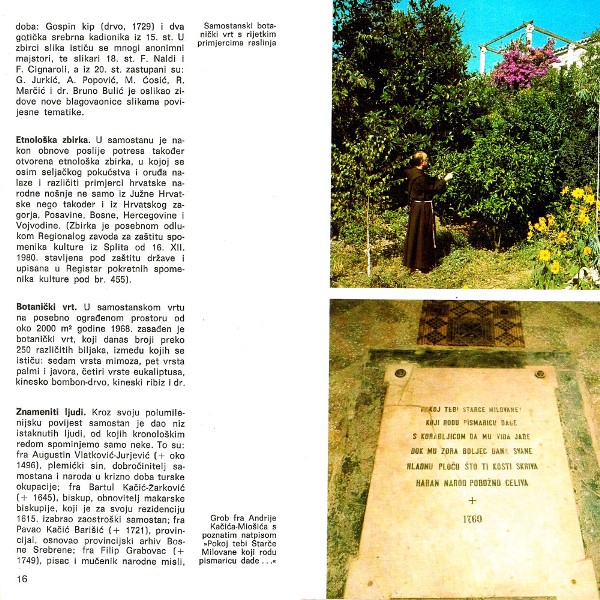
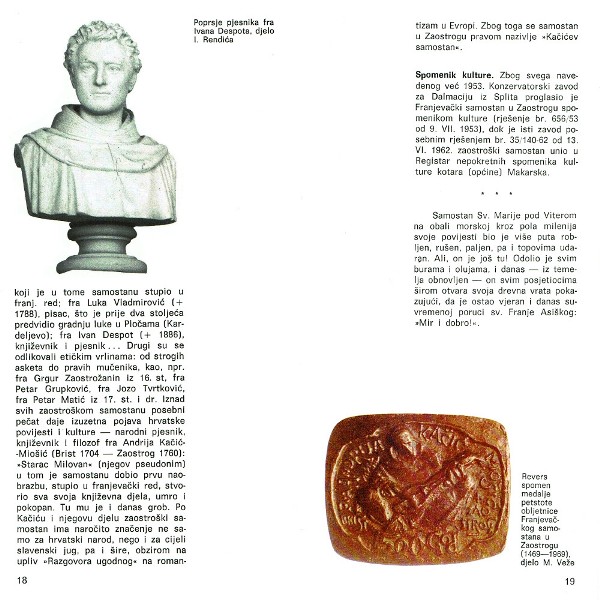
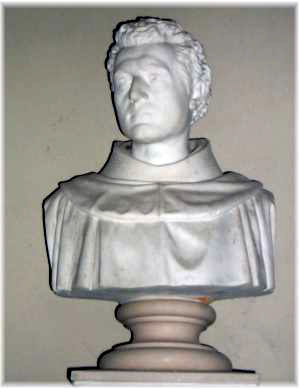
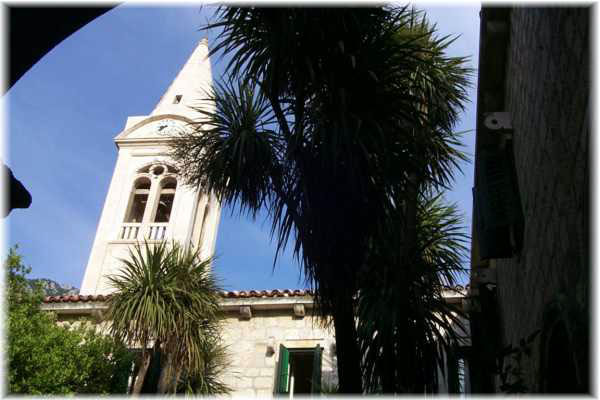
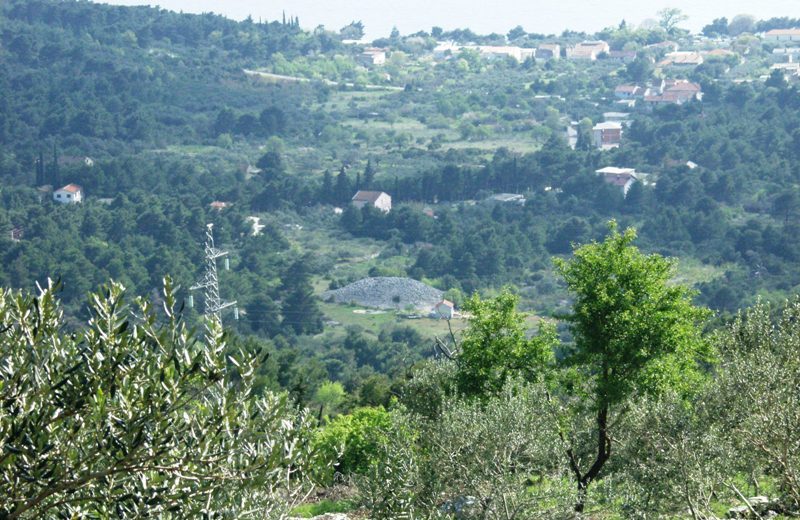
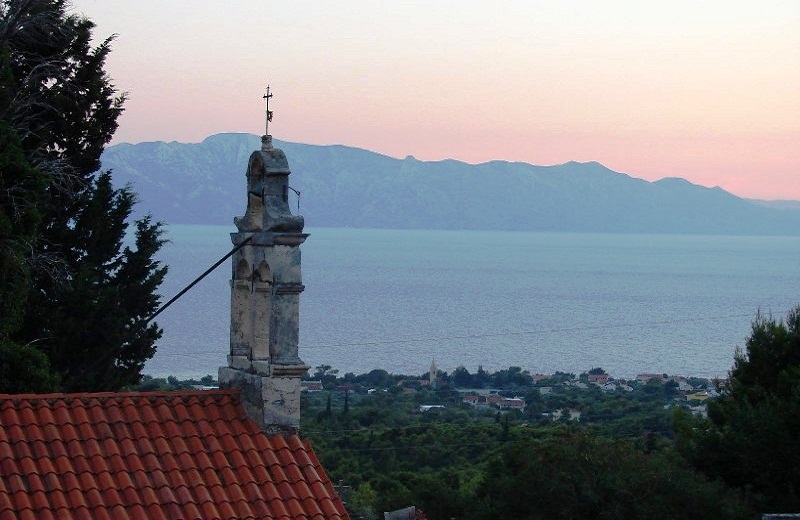
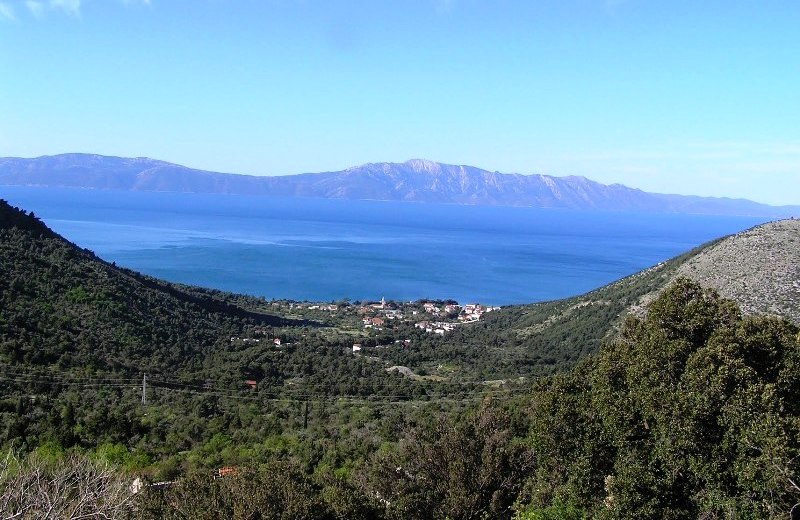
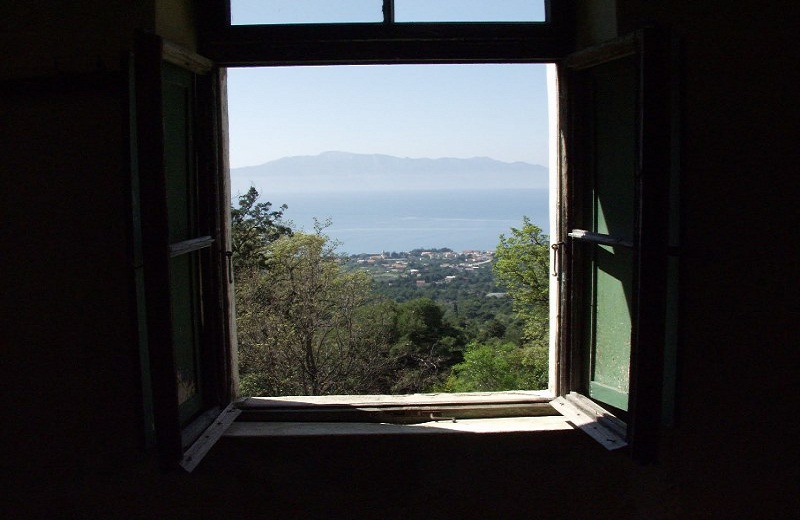
About cityDuring tourist off-season Zaostrog is excellently portrayed in TV show from the cycle of Croatian Radio Television "Image of Croatia - My birthplace", lasting 19 minutes, which you can view here, where in the list of places please choose Zaostrog. Zaostrog stretched in a natural and spacious basin, surrounded by high and steep mountain slopes of Mt. Green and white strand zaostroške wide bays lapped by the Adriatic Sea through the Great Gate (the strait between the islands of Hvar and the Peljesac peninsula) poured deep into the Neretva channel until Ston. Place, which has 372 permanent inhabitants settled, still dominates more than half a millennium old Franciscan monastery with a tall bell tower. The visitors opened the monastery museum, an ethnographic collection, a gallery and a large library with over 30,000 titles in significant part from older Croatian literature. In Zaostrog was a significant part of his creative life was spent perhaps the most prominent Croatian folk poet, Fr Andrew Miosic Jane Smith, known and loved by the people as the "Old Man Milovan" and his greatest literary work "Pleasant conversation Slavic peoples." The records of the Byzantine Emperor Constantine Porphyrogenitus, Ostrog fortress under a mountain Viter, after which the Zaostrog later got the name (s) of Ostrog-(a) was the capital and fortress of the former Croatian state Pagania and founded by Neretvans. At the peak of its power (IX and X century), Pagania stretched from Cetina River in the west to the Neretva River in the east. Northern border of the mountain peaks stretching Ljubusa, crows and ?vrsnica and belonged to her once the Peljesac peninsula and the islands of Brac, Hvar, Korcula and Mljet in the south. There is interest that is transmitted to future generations, that is a beautiful day with the then chief Pagania VITER of Ostrog view could cover almost all of the endpoints of its state property, which is also a challenge to mountaineers and rock climbers. In the early years of the last century, the Austro-Hungarian Empire, which was then part of Dalmatia and built a pier (stone ship dock) and regulate rural flood (the trough of a large creek that cuts Zaostrog on the eastern and western part). Although, unlike the flood, zaostroški dock severely damaged during the earthquake in 1962. year, both buildings have historic heritage value. Zaostrog is now a tourist spot famous for miles of sand and pebble beaches. The inhabitants live mainly from renting rooms and suites, as well as agriculture and fisheries. Despite the large tourist crowds during the summer season, the site boasts a range of standardized and high quality catering and ancillary services and facilities. Zaostrog Given the almost ideal geographical location and rich historical heritage, and designed and decorated public areas are strictly limited and the urban construction and development, has high potential as a tourist destination zvu?nije. Even more so because unlike some of the other coastal sites preserved rather than ugly devastation of giants and apartment buildings. |
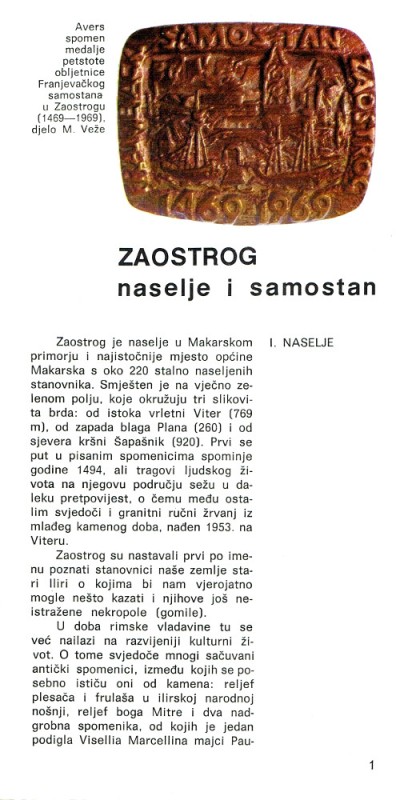
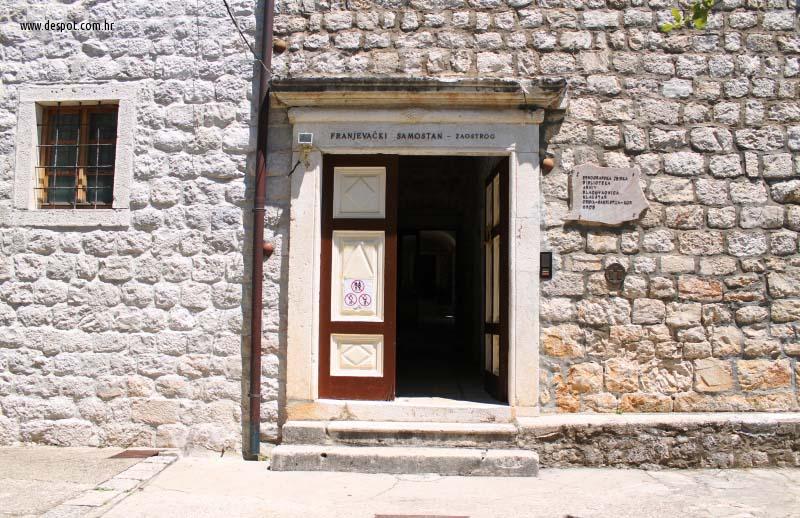
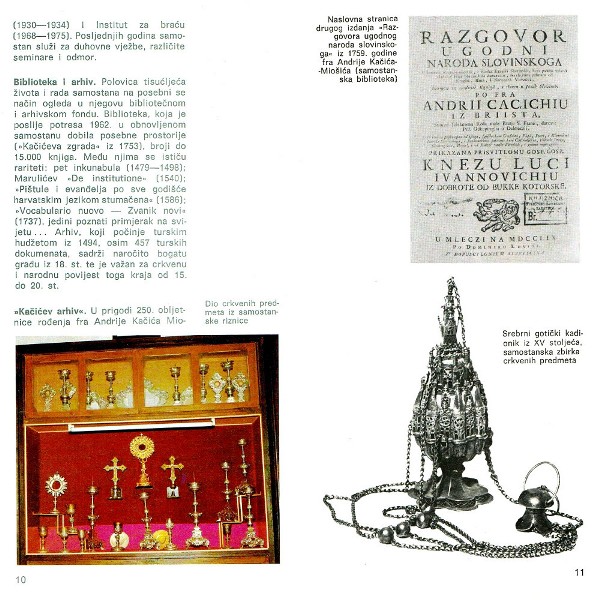
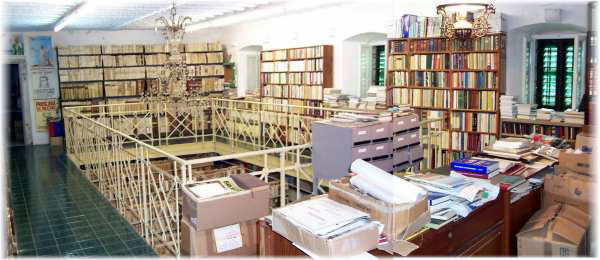
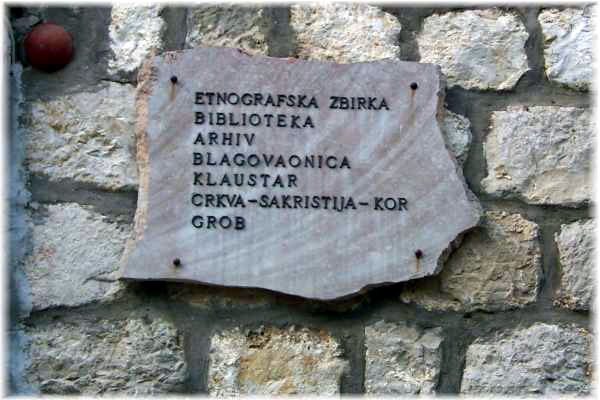
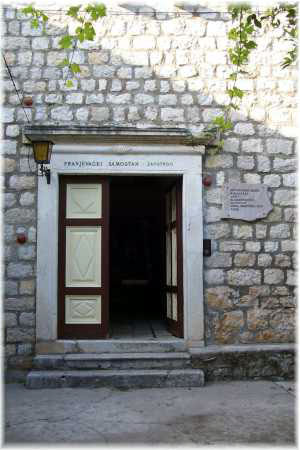
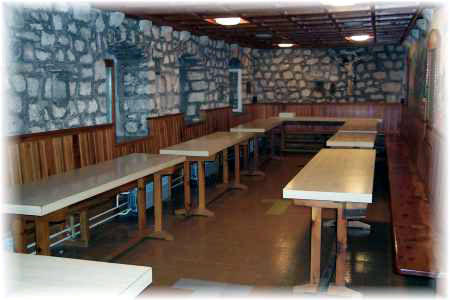
Franciscan monasteryThe Franciscan monastery is opened museum, ethnological collections, galleries and a large library with over 30,000 titles, a significant part of the old Croatian literature. For more information of Zaostrog monastery monastery click on the image on the right and at the end find the corresponding language. |
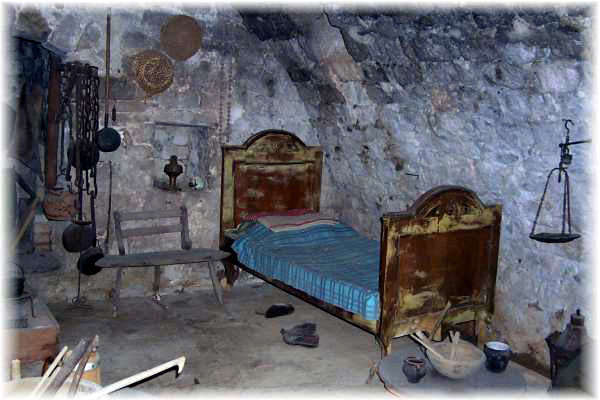
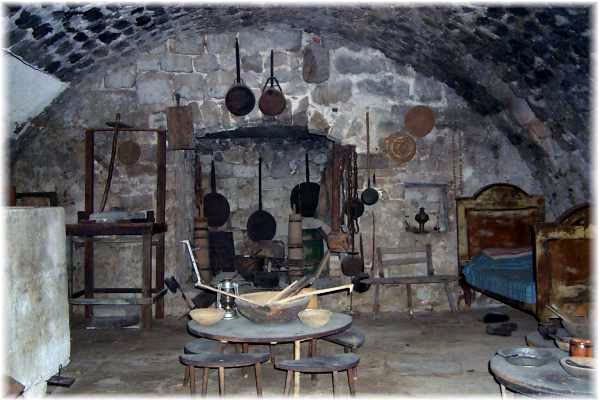
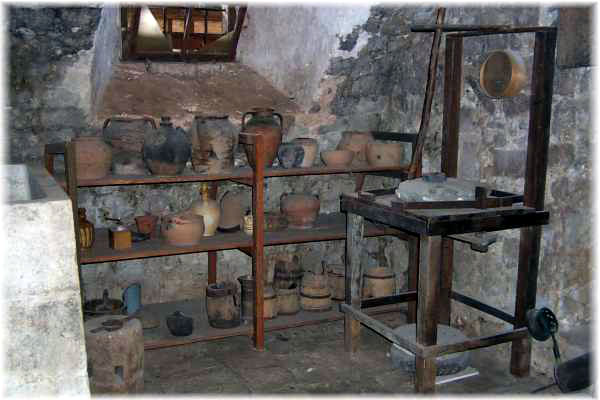
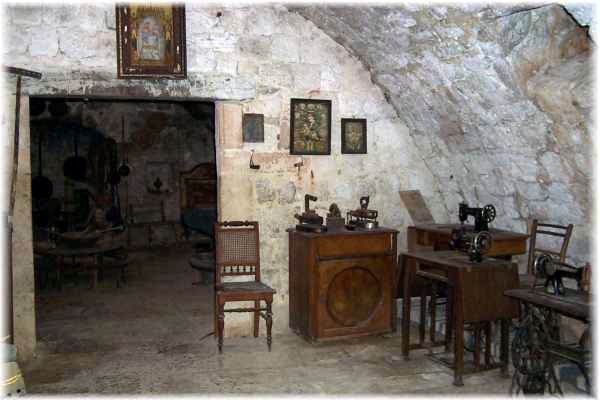
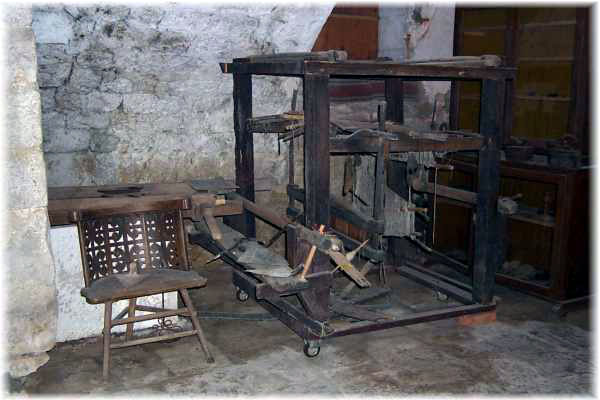
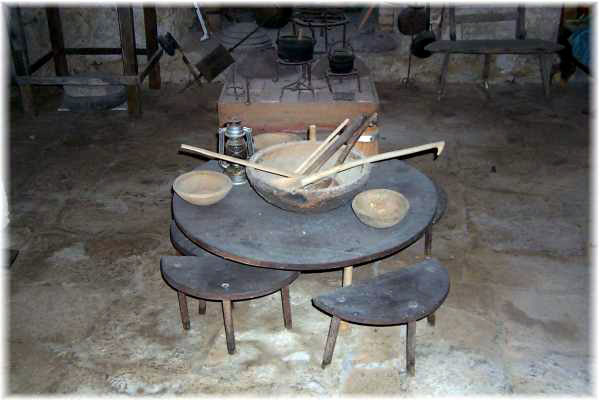
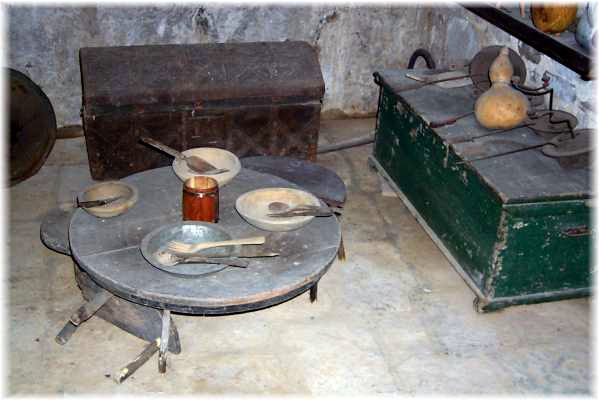
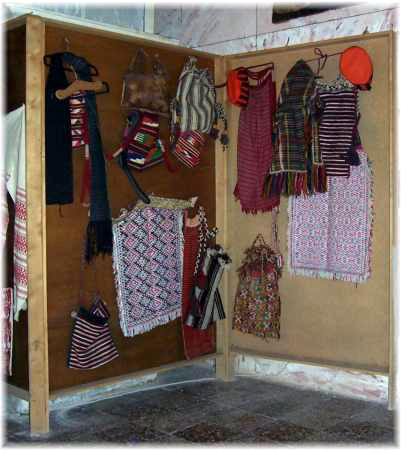
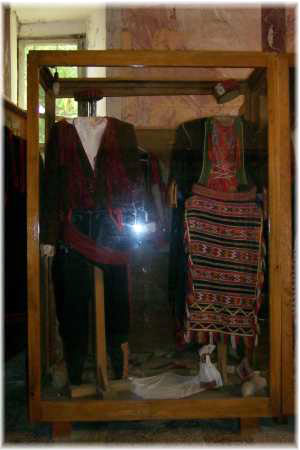
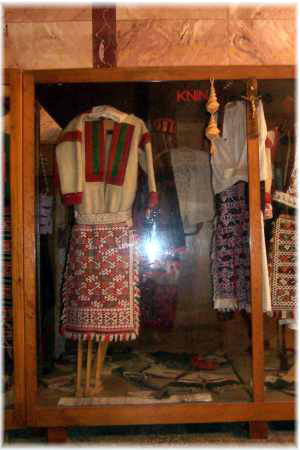
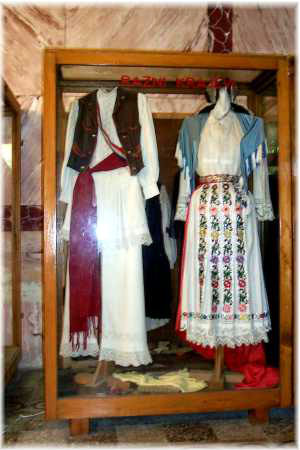
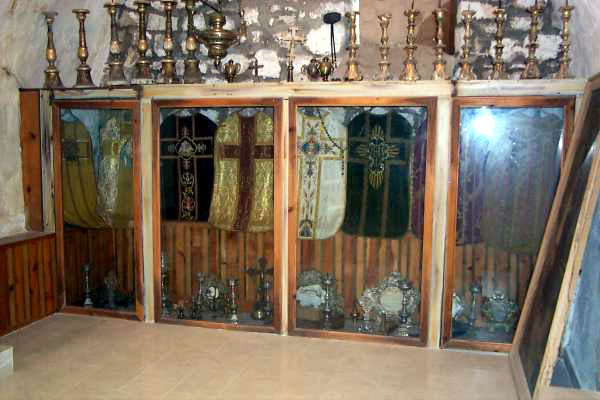
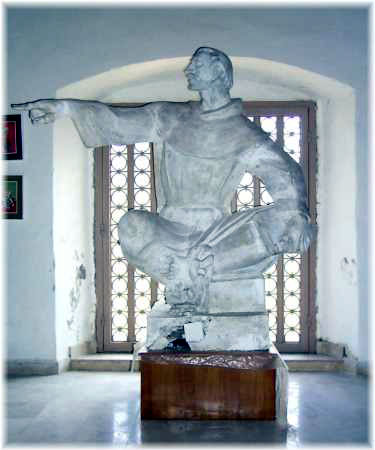
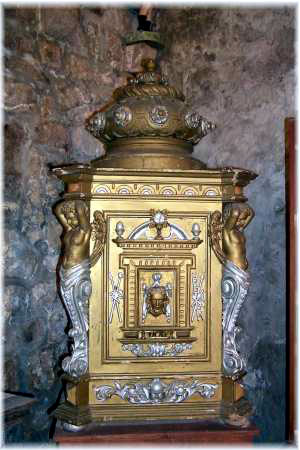
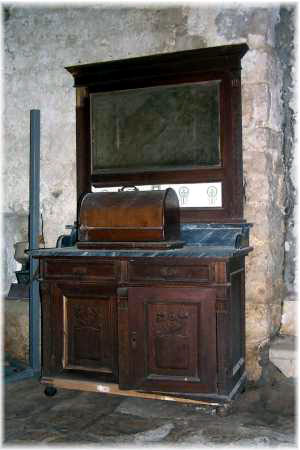
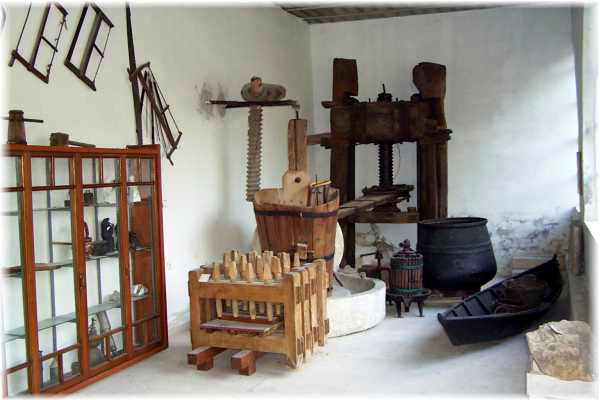
Ethnographic CollectionDear visitor of this site, you can view only a small fraction of the wealth of ethnographic collections of the Franciscan monastery. The intent is not to present the entire exhibition, but to encourage you to visit Zaostrogu and cluster. The museum has a collection of ethnographic collection, a collection of sacred, libraries, archives and gallery Mleden Veža. Ethnographic collection includes a large number of folk costumes from almost all parts of the Croatian history, jewelry and various items, tools, ancient furniture ... Sacral collection consists of paintings, sculptures, mass vestments, church furniture and other objects. The most numerous are the objects of silver. As one of the more valuable exhibits should mention mantle Bosnian king Stjepan Tomas (1444. to 1461.). The library has a rich structure of 30 incunabula, and 233 books printed in the 16th century. Archives preserves records of 15 to 20 century, and among the documents found 457 documents in Turkish.
Image Gallery Veža (1916.-2010.), painter born in neighboring Brist, contains images that the author gave to monastery. |
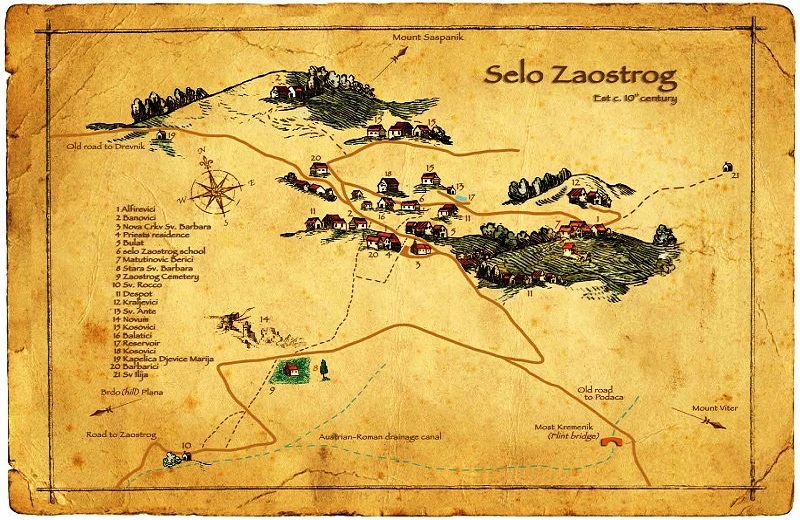
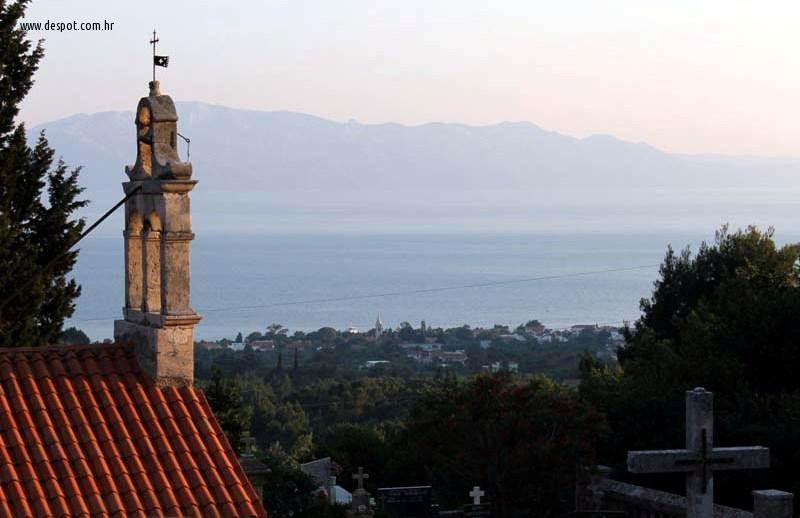
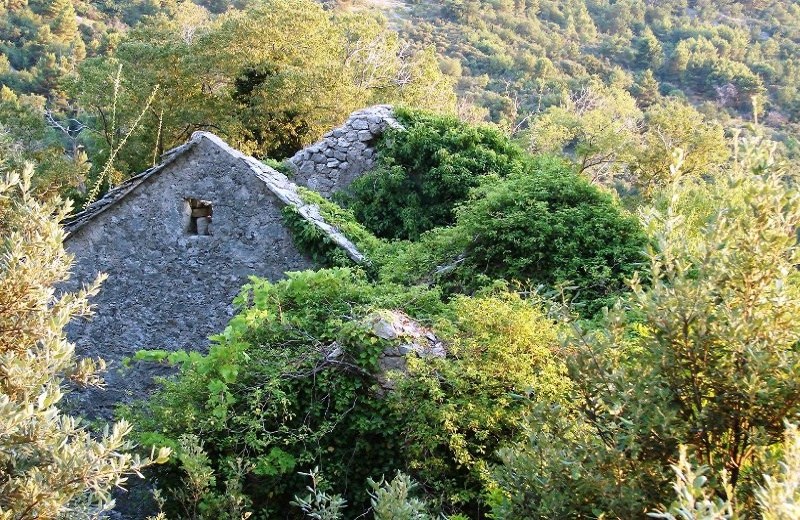
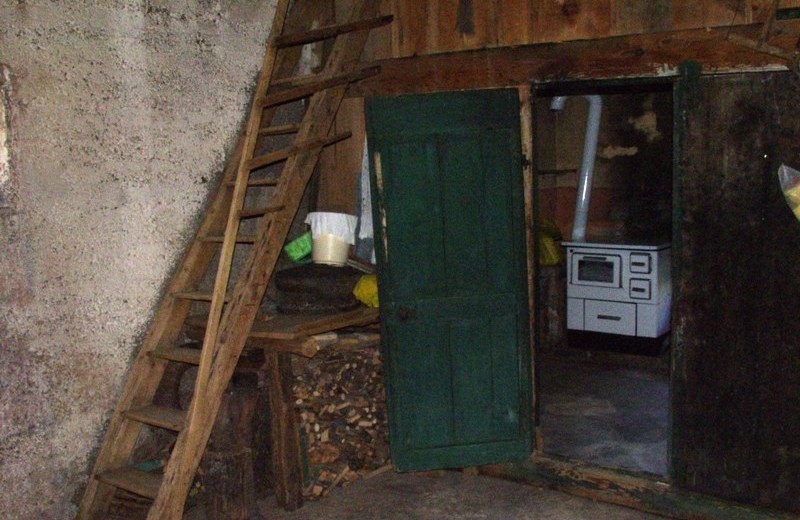
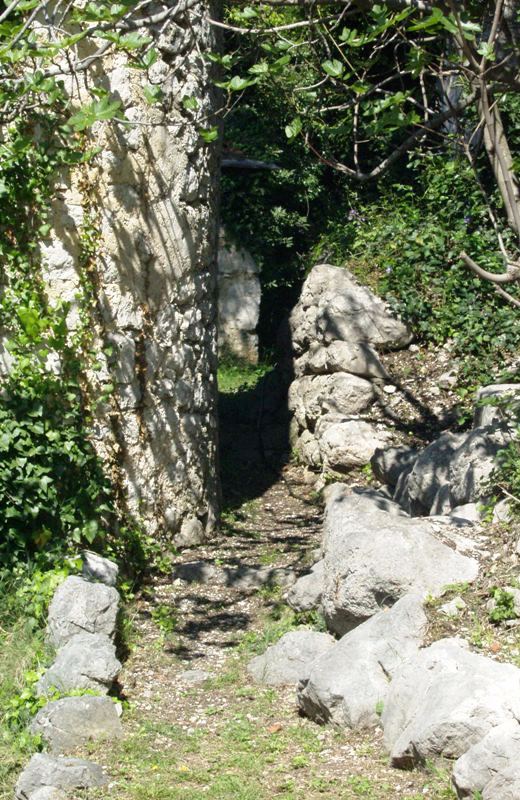
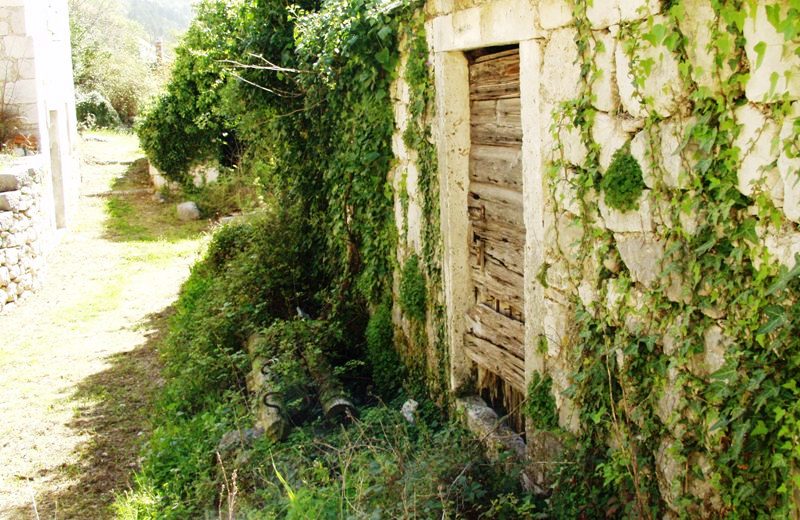
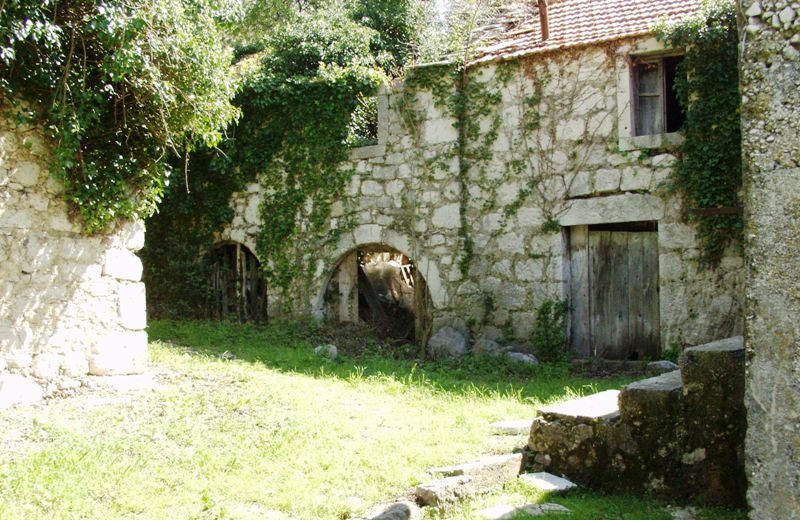
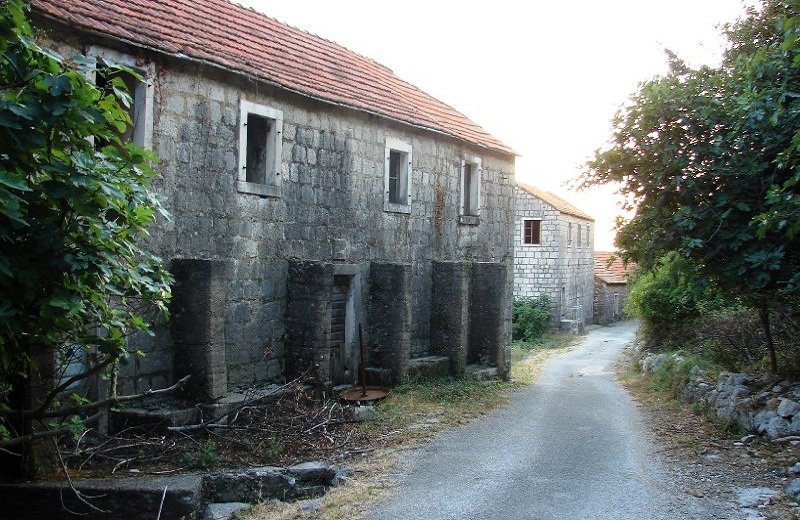
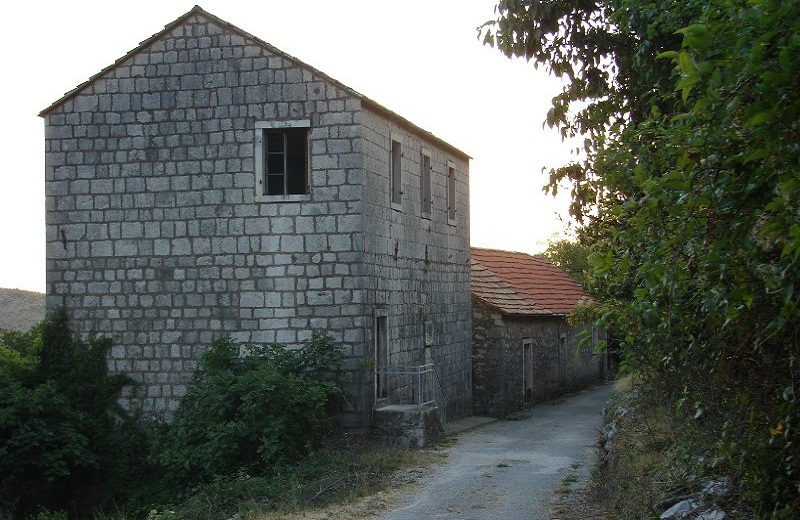
Old cityThe records of the Byzantine Emperor Constantine Porphyrogenitus, fortress Ostrog under VITER , in which the old Zaostrog later named (za-Ostrog), it was the capital and fortress of the former state Pagania founded by Neretvans. Everything suddenly changed after the great earthquake in 1962. year, after which nearly all the residents came down to the sea and there built new Zaostrog. The only permanent residents of the old village Zaostrog family members Mladen Kurtovic who came here more than a decade and is committed to raising goats and now has the largest goat farm in Dalmatia. Mladen he knows all about the history of this area since the early days ... |
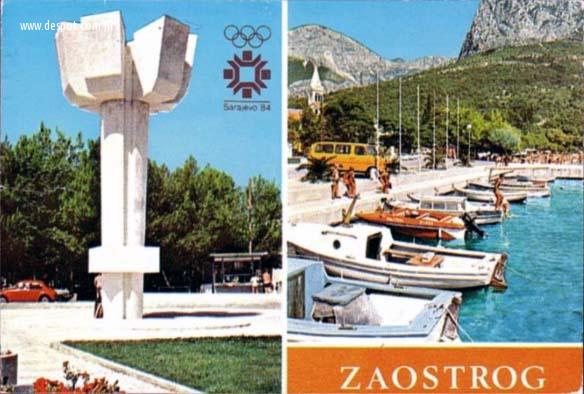
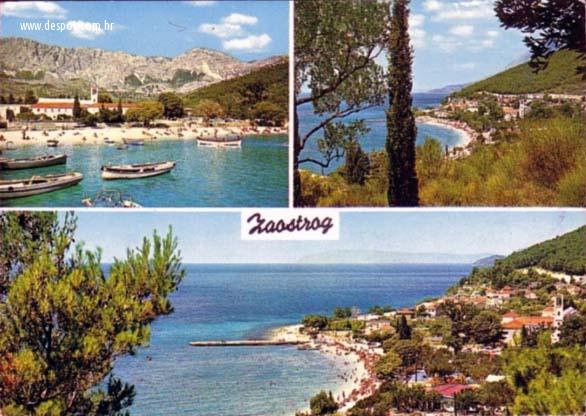
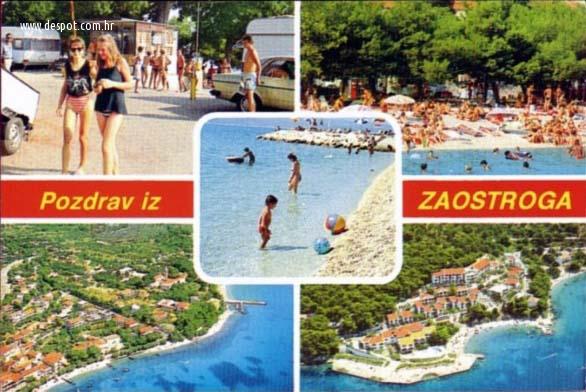
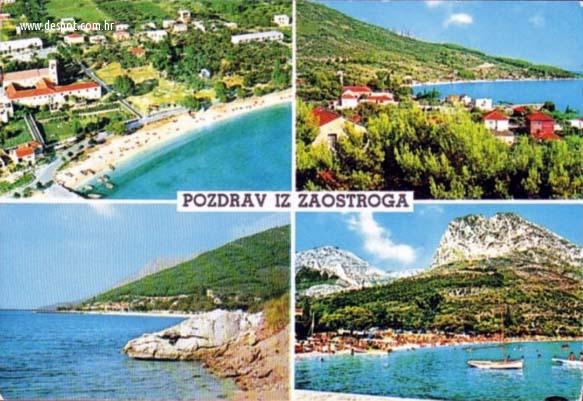
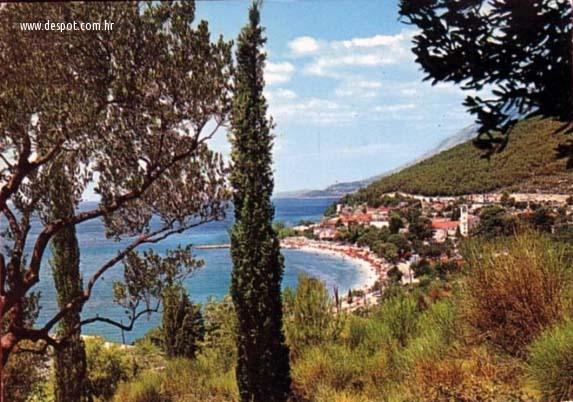
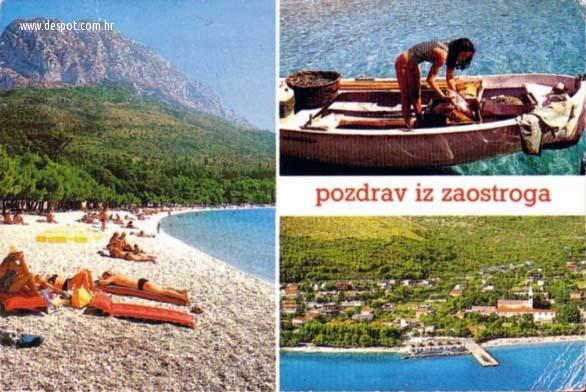
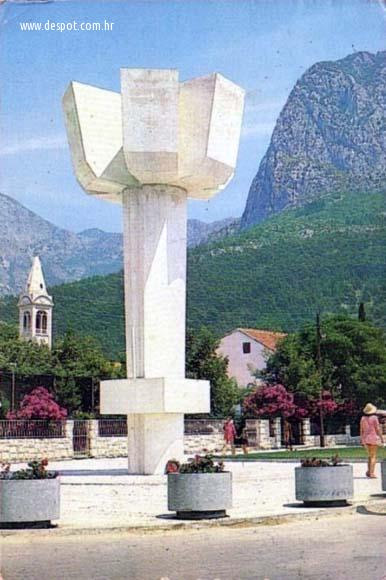
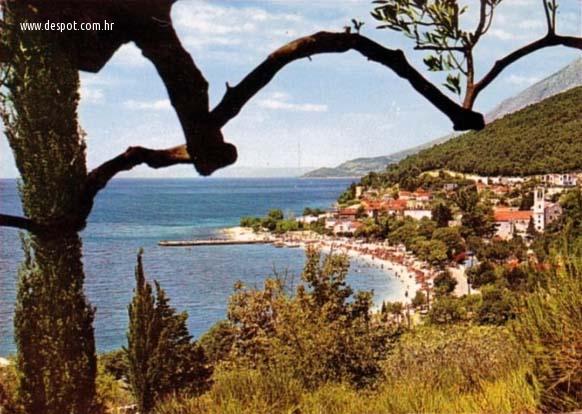
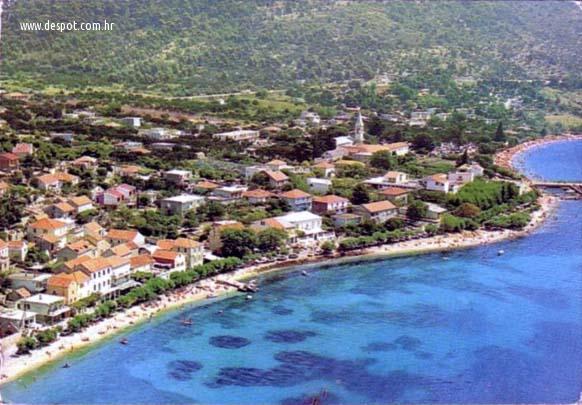
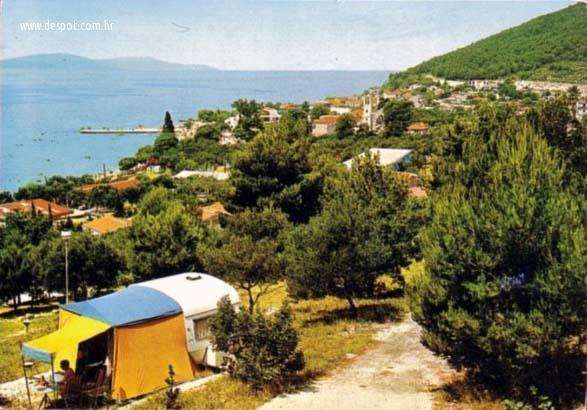
Postcards from historySurely you used to get at least one of the similar memories from your vacation. Thus the Zaostrog looked at postcards from the seventies of the last century. |
Vila Despot - Zaostrog |
|
|
tel: +385-99-2660-666, mob: +385-99-2660-666 |
||
| Villa | PROMO | Accommodation | Booking | Map | Zaostrog | Excursions | Contact |